
Building a Coffee Business From Plantation to Global Markets
Overview
SLN Coffee has built its coffee business across the value chain, from plantations and green coffee trading to processing, manufacturing and global markets. This journey has given us a close understanding of how coffee moves from its origin to customers around the world and how each stage contributes to building a lasting coffee business.
A Coffee Business Begins Long Before the Final Product
At SLN Coffee, our understanding of coffee begins at the plantation and extends well beyond it.
Our journey began in Coorg in 1956, when we acquired a 1,000-acre coffee plantation. Over four generations, that foundation has grown into a business spanning coffee plantations, green coffee trading, processing, manufacturing and consumer businesses.
This experience has shaped the way we look at the coffee industry. Coffee is not simply grown, processed and sold. It moves through a connected chain of people, expertise, infrastructure and decisions before reaching a customer.
Understanding that chain is what allows a coffee business to grow with greater depth and consistency.
Plantations Create the Foundation
Our coffee plantations remain an important part of that foundation.
Growing coffee gives us a direct connection with the crop and the conditions in which it develops. Cultivation, harvesting, water management and farm practices all contribute to what eventually enters the wider coffee value chain.
Across our plantations, we follow practices including shade-grown coffee, cross-cropping, irrigation and responsible farming. Our sustainability approach also includes ethical farming, fair wages and a commitment to no child labour.
These practices are not separate from the business. They are part of understanding where coffee begins and how its journey should continue.
Green Coffee Connects Origin With Markets
Once coffee moves beyond the plantation, it becomes part of a much larger trading ecosystem.
Green coffee is one of the most important links between coffee production and the market. It requires knowledge of sourcing, quality, customer requirements and long-term relationships.
Our experience in coffee trading goes back more than three decades. Through this work, we have developed an understanding of how coffee moves between origins, businesses and markets.
Trading also gives us a broader view of demand. Different customers have different expectations around coffee characteristics, consistency and supply. Understanding these requirements helps connect what is produced at origin with what the market needs.
Processing Adds Depth to the Value Chain
Coffee changes considerably after harvesting.
Processing and curing prepare coffee for the next stages of its journey. They also require careful handling and quality evaluation to ensure the coffee is suitable for its intended market.
Our operations include an annual curing capacity of 30,000 MT. This gives us experience at a significant stage between coffee production and the markets that ultimately receive it.
The knowledge gained here also supports our wider operations. Understanding the raw material closely becomes increasingly important as coffee moves into more advanced forms of processing and manufacturing.
Manufacturing Expands What Coffee Can Become
A modern coffee business can serve the market in many forms.
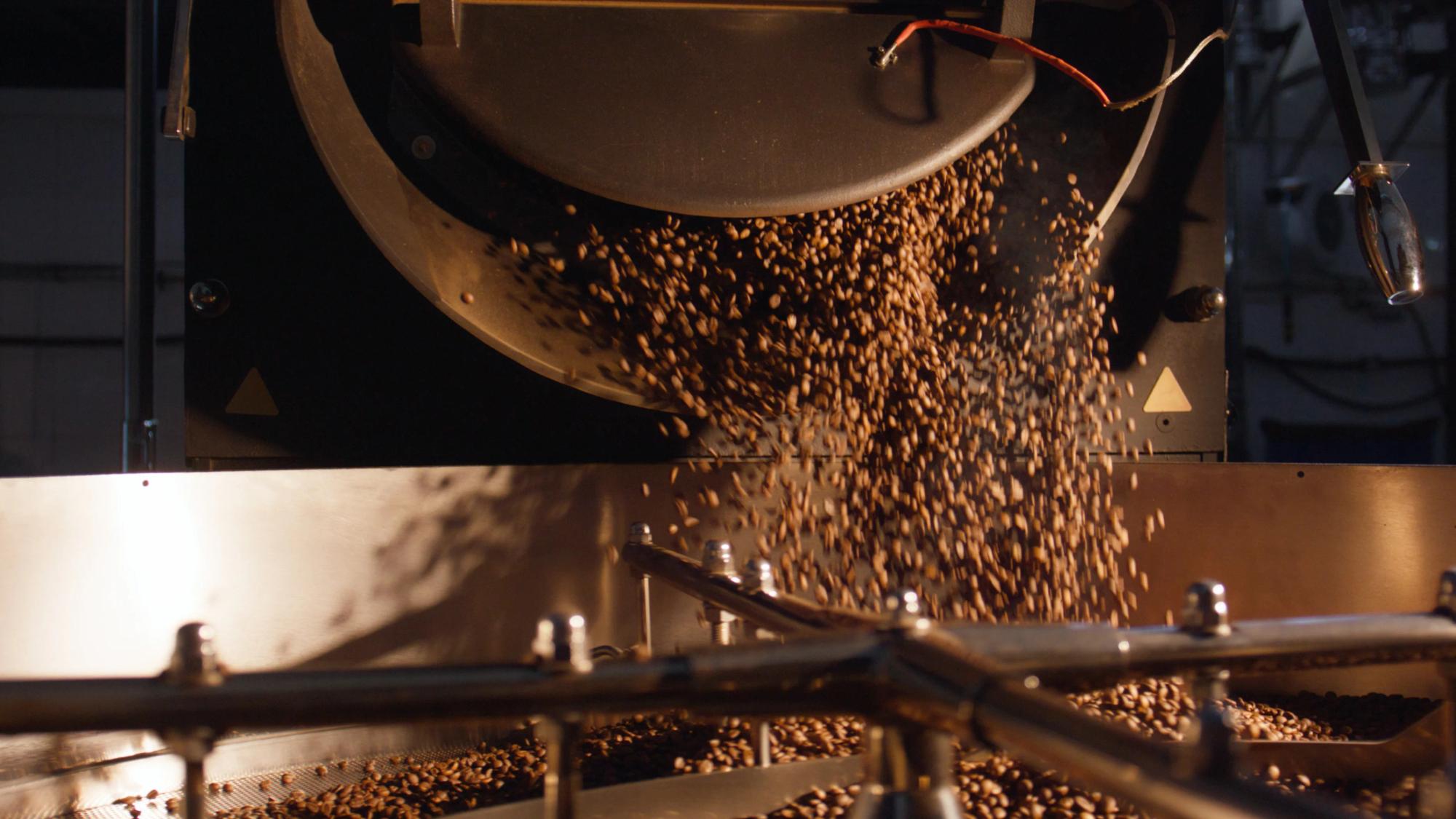
Our portfolio includes green coffee beans, roasted coffee beans, agglomerated coffee, spray-dried coffee, speciality and estate-grown coffee, 3-in-1 coffee premix and cold coffee.
We established our instant coffee division as another step in our journey. Over time, our capabilities have expanded across different forms of coffee, allowing us to work with varied customer and market requirements.
This is where coffee manufacturing becomes closely connected with research and development. Raw material characteristics, processing methods, quality control and the requirements of the final product all influence the manufacturing process.
The objective is to maintain the character and quality expected from the coffee while achieving the consistency required at scale.
Serving Businesses and Consumers
The coffee industry has many points of connection with the customer.
Our business works across B2B markets as well as consumer-facing businesses. We work with customers and partners across international markets while also reaching consumers through Levista and Cafe Levista.
Cafe Levista gives us another connection with the final stage of the coffee journey. The beans are sourced from our own plantation and processed through our facilities before reaching the café.
These different businesses give us perspectives across the value chain while remaining connected to our wider coffee expertise.
Taking Coffee Into Global Markets
Coffee grown in one region can eventually travel across continents.
Our business has grown from its roots in Coorg to customers across international markets. Today, our presence extends across regions including the Middle East, Europe, Southeast Asia, Russia and the CIS.
Working in the global coffee market requires an understanding of more than production. Customers in different markets have their own requirements, expectations and business conditions.
Long-term relationships therefore become an important part of international growth. Consistency, quality and reliability need to remain central as coffee moves from its origin to customers around the world.
Why Understanding the Complete Chain Matters
Working across the coffee value chain gives us a broader perspective on the industry.
Our plantation experience helps us understand coffee at origin. Trading gives us insight into markets and customer requirements. Processing and manufacturing add technical expertise. Consumer businesses bring us closer to how coffee is ultimately experienced.
Each stage contributes to the next.
This is the thinking behind our Plant to Cup approach. Staying connected to different stages of the journey allows us to understand coffee as a complete business rather than as a series of unrelated activities.
It also gives us a stronger foundation for working with customers and partners across different parts of the industry.
Growth That Looks Beyond Business
A growing coffee business also has responsibilities that extend beyond production and markets.
At SLN Coffee, our approach includes responsible sourcing, sustainable plantation practices and community-focused initiatives. Our work includes Rainforest Alliance and EUDR-certified sourcing practices alongside efforts around responsible farming.
Our wider CSR initiatives focus on areas such as education, healthcare, infrastructure, drinking water, environmental initiatives and community development.
For us, growth is connected to the people, communities and environments that support the business.
Key Takeaways
- A coffee business can extend across plantations, trading, processing, manufacturing and consumer markets.
- Coffee plantations provide the foundation for understanding coffee at origin.
- Green coffee and coffee trading connect production with customers and markets.
- Coffee manufacturing allows the industry to serve different requirements and product formats.
- A connected coffee value chain gives businesses a broader understanding of quality, customers and markets.
- Responsible growth considers the people and environments connected to the industry.
FAQs
What does a coffee business include?
A coffee business can include cultivation, processing, green coffee trading, manufacturing, exports, consumer brands and cafés. Businesses may operate across some or all of these stages depending on their capabilities and market focus.
Why are coffee plantations important?
Coffee plantations provide the starting point for the coffee value chain. Cultivation practices, farm management and harvesting all influence the coffee before it moves into processing and trade.
What is green coffee trading?
Green coffee trading involves sourcing and supplying coffee before roasting. It connects producers with buyers and markets while requiring knowledge of coffee quality, sourcing and customer requirements.
Why is coffee manufacturing important?
Coffee manufacturing allows coffee to be processed into different formats for different business and consumer requirements. It also requires careful control of raw materials, processing and quality.
What is the coffee value chain?
The coffee value chain covers the different stages through which coffee moves, including cultivation, processing, trading, manufacturing and markets. Understanding these connections helps businesses manage quality and create value across the journey.
Building Beyond a Single Stage
For SLN Coffee, building a coffee business has always meant looking beyond a single stage of the journey.
Our roots are in the plantations of Coorg, but four generations of experience have taken us across trading, processing, manufacturing, consumer businesses and international markets. Each stage has added to our understanding of coffee and the industry around it.
That connected perspective continues to shape how we work with coffee, customers and partners today. From the plantation to global markets, our journey remains grounded in the same principle that began it all: understanding coffee at every stage of its journey.